Medical Cannabis
Honest notes from 900+ dispensary visits. Zero sponsored posts.
Get the lists
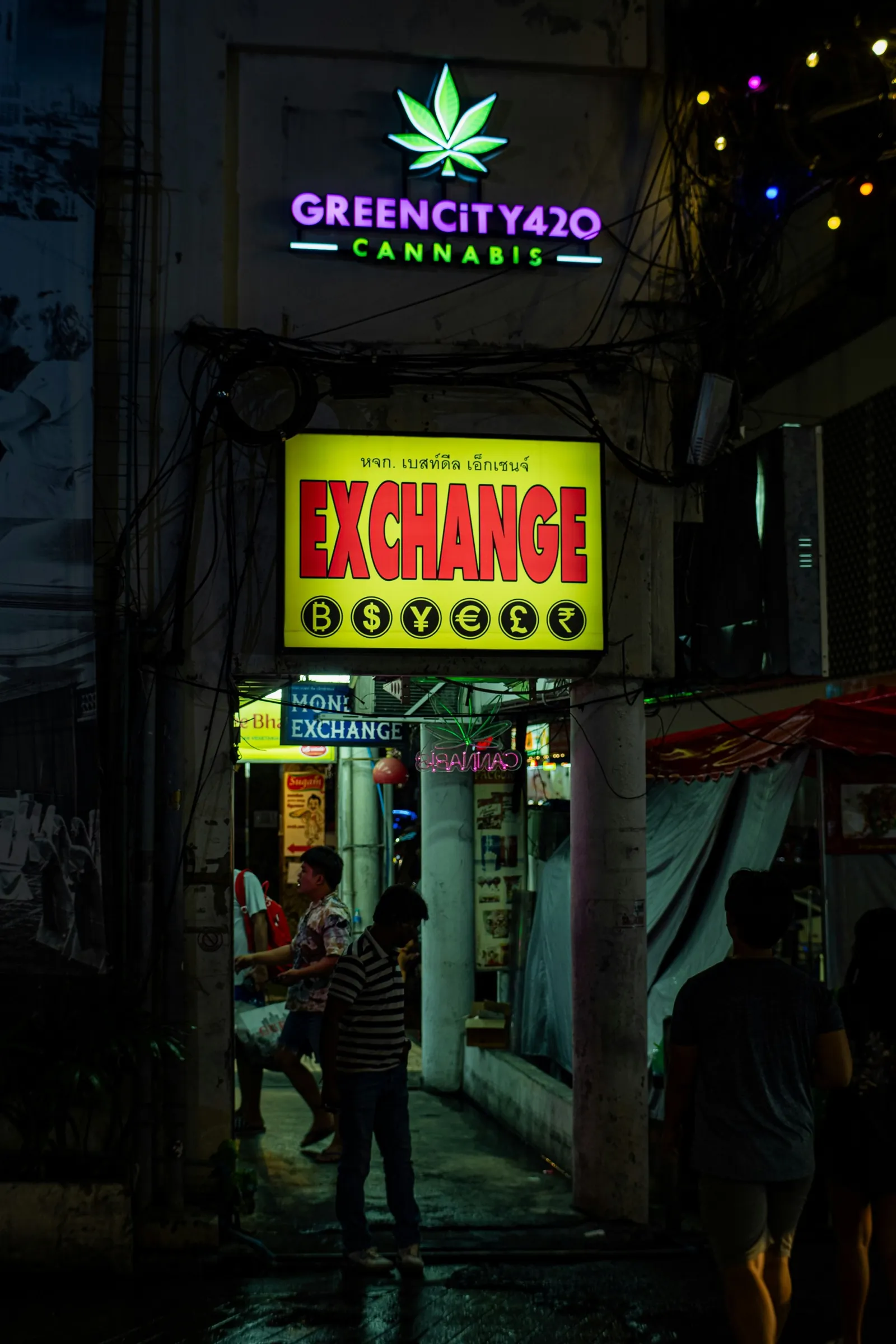
Picture the dispensary you walked into on your last trip. The neon, the glass jars, the guy behind the counter who may or may not have known what he was selling. Now picture half the shops on that same street gone, and the ones still standing run by people with a medical license on the wall and documentation for every gram. That is not a prediction. That is the direction Thailand has already chosen, and the next big step has a name: the Cannabis-Hemp Act.
If you are planning a Bangkok trip and you want to understand where the rules are heading, this is the single most important thing happening right now. So let me walk you through what it actually is, what it changes, and what it does not, with no spin from anyone trying to sell you something.
Right now, Thai cannabis is governed by a patchwork. A notification here, a ministerial regulation there, a reclassification stacked on top. It works, but it is held together with tape, and tape can be peeled off by whichever government is in office. The Cannabis-Hemp Act is the fix for that. It is a standalone law, confirmed to be in draft, designed to replace the whole patchwork with one permanent framework.
The draft is built on three governing principles, and once you see them, the entire direction of the market makes sense.
Protect. The first job of the law is to prevent health impacts, with specific attention to vulnerable groups. That means youth and pregnant women above all. This is the principle that keeps the minimum age at 20 and keeps cannabis out of casual retail.
Regulate. The Act sets up a national committee and a comprehensive licensing system that runs the entire chain, from cultivation all the way through to the final sale. Every link in that chain needs a license. That is how you get a market where the shop you walk into can actually prove what it is.
Promote. This is the part people misread. The law is designed to promote cannabis, but only for medical, health and research use. The stated goal is to maximise economic value without social harm. Read that twice, because it tells you exactly what kind of industry Thailand wants: medical wellness, not a party.
If you have read my earlier breakdown on whether weed is still legal in Thailand, this is the legislative bones underneath everything described there. The PT33 system you already navigate as a tourist is about to stop being a temporary arrangement and start being permanent law.
Here is the honest headline: for most visitors, the Cannabis-Hemp Act does not change your day-to-day experience much at all. If you are already doing the legal thing, getting a PT33 prescription, buying from a licensed shop, and consuming privately, then the Act simply locks that pathway into place. The consultation, the prescription, the licensed dispensary: all of it stays, now with a permanent legal foundation under it.
What does change is the fantasy. The drift toward recreational-but-technically-medical that defined 2022 through 2024 is being permanently closed off. If you arrive expecting to wander into any storefront and buy whatever you point at, that window is shutting and it is not reopening. The shops that survive will be the licensed, compliant, medically staffed ones. They are being baked into the law itself.
There is a bigger framing here too. Thailand is officially positioning cannabis as medical wellness tourism for international visitors. That is a deliberate identity. The country is not trying to be the next place you go to get blasted on a beach. It is trying to be the place you go for a regulated, health-first cannabis experience that happens to be legal and well run. Whether that excites you or disappoints you, it is the reality you are traveling into.
One thing worth setting your expectations on: nobody can give you a firm date. The Act is in draft, and draft laws in any country move on their own schedule. But the direction is not in doubt, and the enforcement is already running ahead of the legislation. In practice that means you should plan your trip around the rules as they are being enforced today, not around some looser version you read about from a couple of years back. The law catching up to the enforcement is a formality at this point, not a question mark.
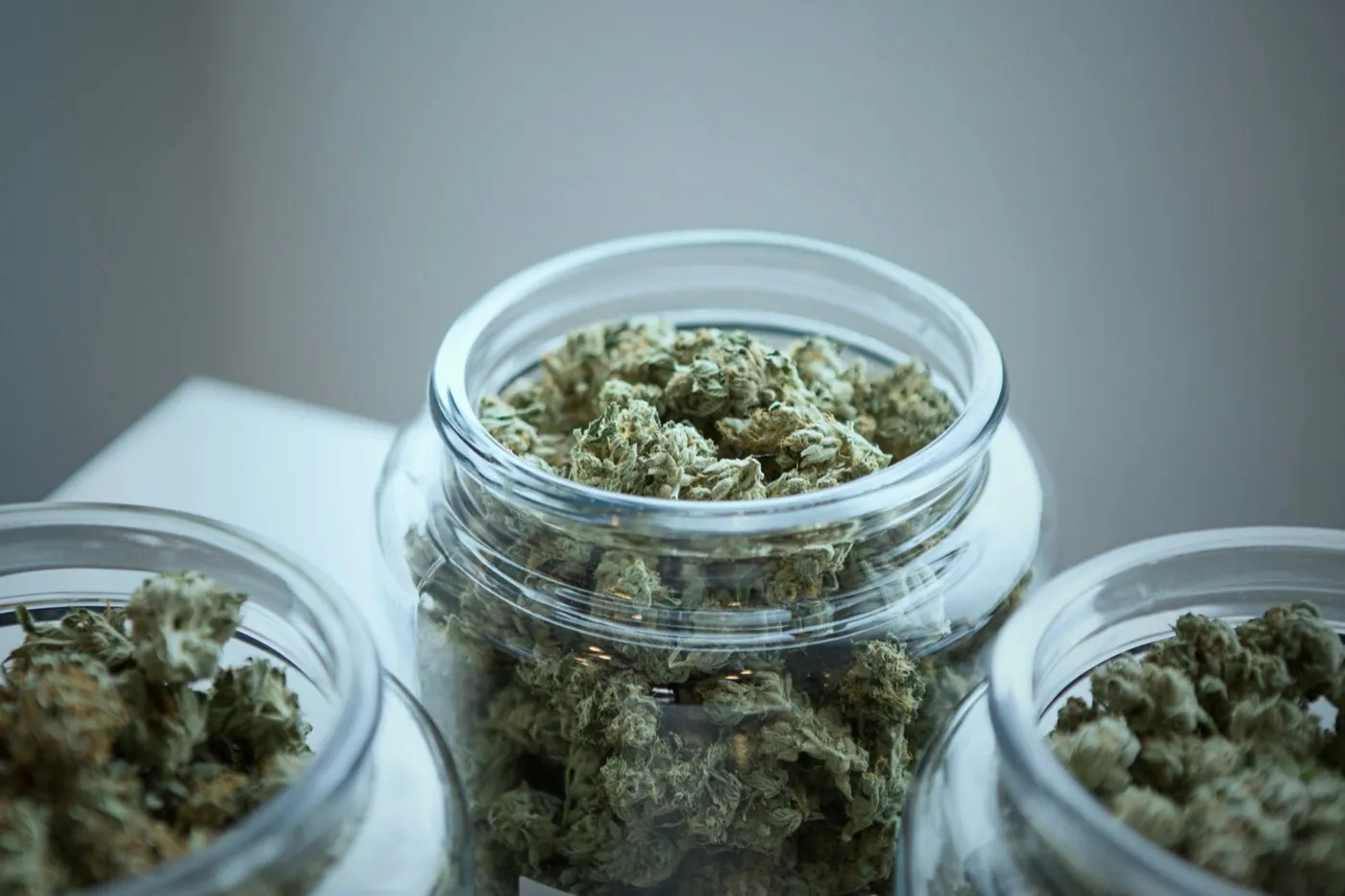
This is where it gets concrete. The consolidation that has already torn through the market is not slowing down, and the Cannabis-Hemp Act is the wall the survivors have to clear. Of the original 18,517 shops, 7,131 have already closed, and around 11,386 remain licensed. But the number that actually matters is the renewal rate: of the licenses expiring, only about 17 percent have renewed under the new stricter requirements. For every shop that upgraded to compliance, five chose to walk away. I wrote about why the weed got better as the shops closed, and the Act is the formal version of that same filter.
So what does a shop that survives this transition look like? It is licensed under a medical business structure. It has a practitioner on site. Its product is GACP-sourced, with proper documentation behind it. That is not a marketing checklist. That is the exact profile the Cannabis-Hemp Act is designed to protect, and it is the profile behind the Certified Bangkok list on ThaiCannaMapped. Those shops were not chosen because they were trendy. They were chosen because they are the ones still standing when the law finishes doing its work.
The practical takeaway for you is simple. Pick the shop that is built to survive, and the legal changes happening above your head never touch your trip. Pick the shop that is cutting corners, and you are tying your experience to a business that may not exist next season.
Nothing dramatic changes for the visitor who is already getting a PT33, buying from a licensed dispensary, and consuming in private. For that person, the Cannabis-Hemp Act is good news. It takes the framework they are already following and makes it permanent and predictable. For the visitor still chasing the wild west, the message is the opposite. That era is being closed off in writing, and the door does not have a handle on the inside.
I have been documenting this whole evolution on Instagram since the open-market days, watching which shops adapted and which ones vanished. The deeper debate about where Thai regulation is heading, and what the Act will look like once it clears its final drafts, mostly happens inside Reefers Club, an invite-only community of people who have lived through every shift in this market. And for licensed brands trying to communicate inside a framework where advertising is banned and trust is the only currency, that is the marketing and content work I do, because doing it right is genuinely hard.
The Cannabis-Hemp Act is not the end of Thai cannabis. It is the part where it grows up on paper, permanently. The shops that respected you all along are the ones the law is now written to keep. Walk into those, and you are fine.
Written by someone who has watched Thai cannabis law change from inside 900+ dispensaries and is still taking notes.
This article is for informational purposes only and does not constitute legal or medical advice. Cannabis regulations in Thailand are subject to change, and the Cannabis-Hemp Act remains in draft. Always verify current laws through official sources before making decisions. Adults 20+ only.