Medical Cannabis
Honest notes from 900+ dispensary visits. Zero sponsored posts.
Get the lists
There's a statistic that stops conversations. Twenty-two veterans a day lose their lives to suicide or opioid overdose in the United States. That's not a political number - it's a documented public health crisis that the Department of Veterans Affairs, multiple congressional investigations, and decades of treatment programs have failed to reverse.
It's also the number that's pushing more veterans toward cannabis. Not as a last resort. As a considered alternative to pharmaceutical protocols that, for many of them, created new problems while failing to resolve the original ones.
I've talked to veterans at Bangkok dispensaries. More than a few. Some are expats who moved to Thailand specifically because of legal access to cannabis and lower cost of living. Some are tourists who planned their trips around being able to manage their PTSD symptoms without hiding what they're doing. Every single one of them said something that hit the same note: the thing that was supposed to help didn't, and this does.
This post isn't a miracle claim. It's what the science actually says, what the Bangkok medical framework actually offers, and why PTSD is one of the most legitimate qualifying conditions for a PT33 prescription in Thailand.
Post-traumatic stress disorder isn't a weakness or a personality trait. It's a neurological condition that changes how the brain processes threat, memory, and the stress response. Understanding why cannabis might help requires understanding what's actually broken.
The endocannabinoid system is central to this. One of its primary jobs is regulating the stress response - activating the fight-or-flight mechanism when a threat appears, then turning it off when the threat passes. In people with PTSD, this shutdown mechanism is compromised. The stress response stays on. Sleep is disrupted because the brain can't stop running threat assessments. Hypervigilance makes ordinary environments feel dangerous. Memories of trauma are reactivated involuntarily because the system that's supposed to file them safely hasn't filed them.
Research has found that people with PTSD show reduced levels of endocannabinoids and fewer CB1 receptors in areas of the brain associated with fear and memory processing - specifically the amygdala and hippocampus. Their endocannabinoid system is running at a deficit.
THC and CBD interact directly with this system. THC mimics the body's own endocannabinoids. CBD inhibits the enzyme that breaks them down, allowing the body's own molecules to work longer. Both have documented effects on anxiety reduction, sleep quality, and the consolidation of traumatic memories. Neither is a cure. But for a system running at a deficit, they offer something that many pharmaceutical protocols don't: support for the mechanism that's actually broken.
The clinical evidence for cannabis in PTSD management is developing rapidly, and more favorable than most mainstream reporting suggests.
Multiple observational studies have found significant symptom reduction in PTSD patients using cannabis. Research published in the Journal of Psychoactive Drugs found that patients using cannabis reported a 75% reduction in PTSD symptoms including flashbacks, nightmares, and anxiety compared to those not using cannabis. A Canadian study found that PTSD patients were 2.5 times more likely to achieve remission when cannabis was part of their treatment.
The mechanism behind these outcomes aligns with the neuroscience: cannabis appears to help consolidate traumatic memories (making them less likely to trigger involuntary re-experiencing), reduce the hyperactivation of the amygdala, and - most significantly for veterans dealing with sleep disruption - improve sleep architecture. Sleep is often the first and most noticeable improvement veterans report. When the nightmares reduce, when they can stay asleep without waking in combat-ready alertness, the downstream effects on anxiety and daytime function improve substantially.
"A warm blanket hit my brain and my mind was finally at peace." - Brian Buckley, former Marine Raider, describing his first night sleeping after starting cannabis. He'd deployed multiple times and struggled for years with sleep. Cannabis gave him something the pharmaceutical protocols hadn't: rest.
That story is one of thousands with nearly identical structure. The specific trauma differs. The branch of service differs. The country and the decade differ. The outcome is consistent enough to be worth taking seriously.
Understanding why veterans choose cannabis also requires understanding what they're moving away from.
The standard VA protocol for PTSD has historically included SSRIs, SNRIs, benzodiazepines, and in some cases antipsychotics. These medications address symptoms. They don't address the underlying neurological changes that PTSD produces. And they come with side effect profiles that range from significant to debilitating - cognitive impairment, emotional blunting, dependency, sexual dysfunction, and withdrawal effects that can be severe when the medications are stopped.
For many veterans, the medication itself became part of the problem. Taking opioids for pain and benzodiazepines for anxiety while attempting to function in civilian life is a different kind of pharmaceutical trap. Some veterans report that cannabis allowed them to discontinue or reduce multiple pharmaceutical medications simultaneously, with their physician's oversight. Research published in Clinical Psychology Review found that cannabis users with PTSD required lower doses of other medications and reported better quality of life outcomes.
None of this means cannabis works for everyone with PTSD. Some people find it worsens their anxiety, particularly at higher THC doses. Individual response varies enormously. And cannabis is not a replacement for trauma therapy - the research is consistent that the best outcomes come from cannabis as part of a broader treatment approach, not as the only intervention.
Thailand's PT33 system recognizes PTSD as a qualifying condition. This is not a loophole or a technicality - it's a deliberate inclusion based on the same body of evidence that's driving policy changes in the U.S., Canada, and the European Union.
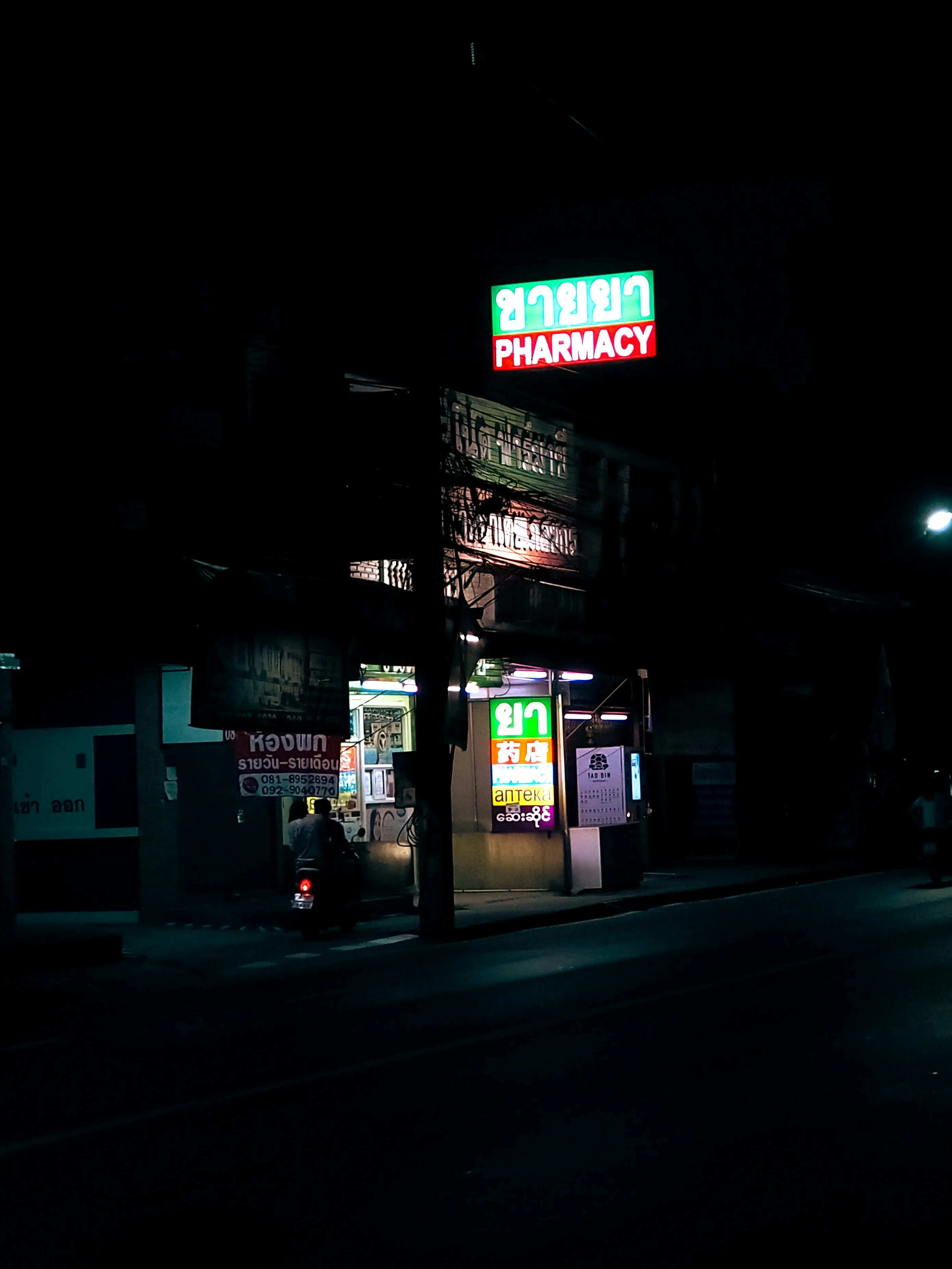
If you're a veteran or PTSD survivor visiting Bangkok, this is what the process looks like: you walk into a licensed dispensary with an on-site doctor, show your passport, describe your diagnosis and symptoms honestly, and receive a PT33 prescription in 15-30 minutes for 500-3,000 baht. The practitioner isn't going to challenge your diagnosis or demand you justify your condition. They're going to assess whether cannabis is appropriate for your situation and, if so, what kind.
The dispensaries on ThaiCannaMapped's Mindful High and Certified Bangkok list (our top-quality dispensary picks)s include shops specifically equipped for this kind of consultation - where the practitioners have genuine knowledge of cannabis and mental health applications, where the staff will ask about your specific symptoms before recommending a strain, and where the conversation around dosing will include warnings about the high-dose anxiety effect that can work against PTSD management if not understood.
PTSD is not a condition to treat casually. Neither is the plant.
Here's something travel guides don't mention: Bangkok has a substantial community of Western veterans and PTSD survivors who chose Thailand as a place to live, in part, because of access to legal medical cannabis. The cost of living is low enough to support a comfortable lifestyle on a veteran's disability payment. The climate is warm, the food is extraordinary, the culture is welcoming. And the dispensary is a BTS ride away.
These people are not tourists looking to party. They are, by and large, people who have been through extraordinary experiences and found a combination of environment and medicine that lets them function, connect, and build a life worth living.
I've been documenting which Bangkok dispensaries have the medical depth to handle these conversations properly on Instagram. The veterans inside Reefers Club - an invite-only community - have some of the most nuanced perspectives on cannabis and PTSD of anyone in this market. And when I work with dispensaries on their brand and content, this is the customer I want them to be ready for: the one who needs more than a good strain name.
This is not a post about getting high. This is a post about a tool that may help people who have seen things that don't leave.
This article is for informational and educational purposes only and does not constitute medical advice. PTSD is a serious condition that requires professional care. If you are experiencing PTSD symptoms, please seek support from a qualified mental health professional. Cannabis affects everyone differently and may not be appropriate for all PTSD presentations. Legal cannabis use in Thailand requires a PT33 prescription. Adults 20+ only. If you are in crisis, please contact a crisis helpline in your country.