Cannabis Basics
Honest notes from 900+ dispensary visits. Zero sponsored posts.
Get the lists
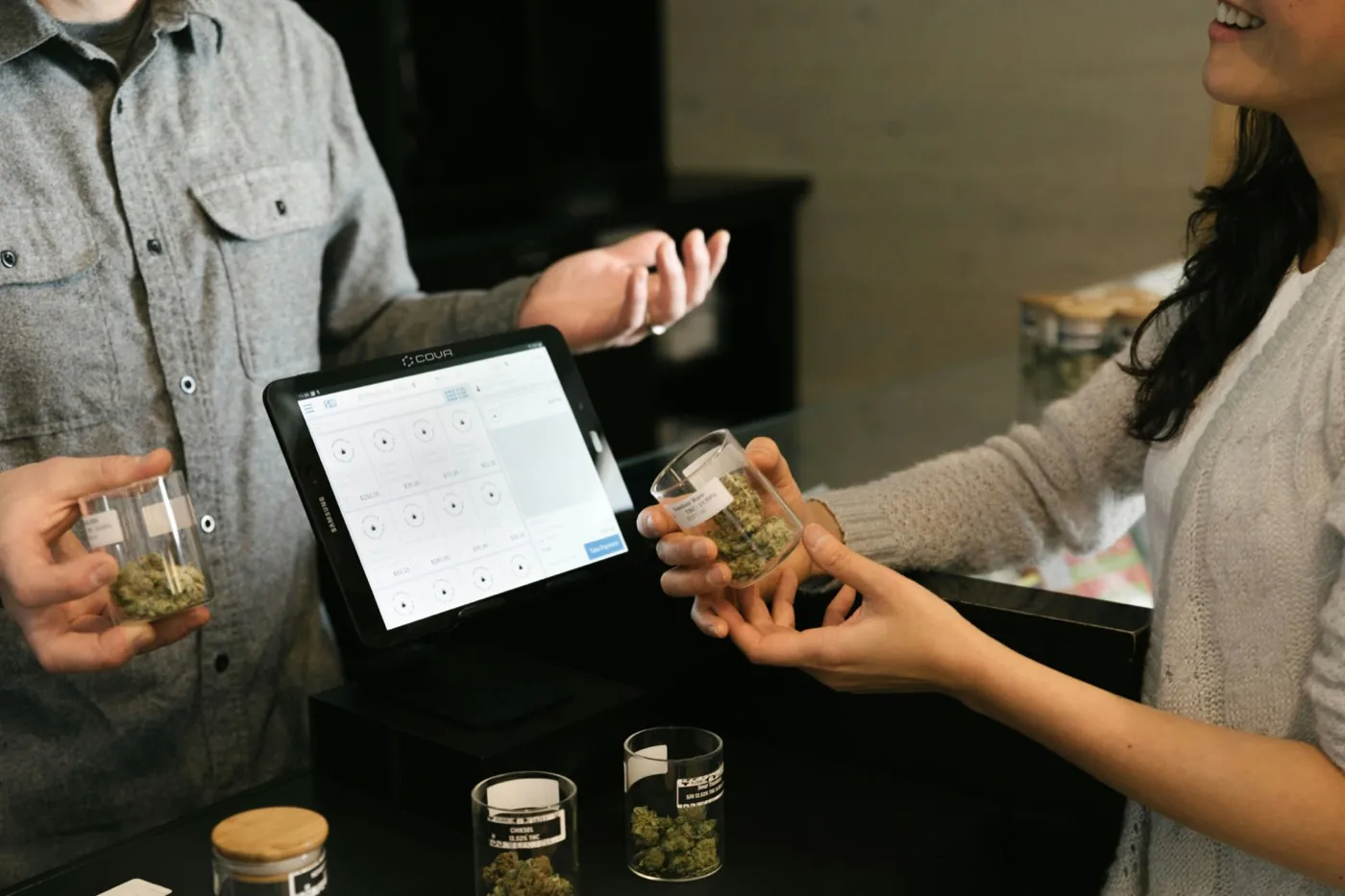
Here's something that nobody puts on the sign above the door at a Bangkok dispensary: half of what's on the shelf might not be legal.
You walk in, you see dried flower, pre-rolled joints, brownies, gummies, vape cartridges, oils, concentrates, tinctures - a full menu of every cannabis format you've ever heard of. It looks like a dispensary in Denver or Amsterdam. The budtender will happily sell you any of it. And at no point will anyone mention that under current Thai law, most of those products exist in a gray area or are outright illegal.
After 900+ dispensary visits across Thailand, I've watched this play out hundreds of times. Tourist buys a product, enjoys it, has no idea they just purchased something the government technically doesn't allow. This isn't a scare piece - nobody is getting dragged out of dispensaries in handcuffs. But if you're going to spend money in this market, you should know what the actual rules are. So let's break it down.
Dried cannabis flower - bud, herb, whatever you want to call it - is legal to purchase and consume in Thailand with a valid PT33 prescription from a licensed Thai practitioner. Many dispensaries have a doctor on-site or a telemedicine setup that makes getting the prescription straightforward.
Flower is also, in my experience across 900+ visits, the best format for most tourists anyway. Here's why:
The feedback loop is immediate. You take a puff, you feel something (or you don't), and you can decide whether to take more. This control is priceless, especially for first-timers who don't know how cannabis affects them yet. You can titrate your dose in real time instead of guessing and hoping.
The quality has gotten remarkably good. Thai-grown flower has leveled up fast. The quality gap between Thai-grown and imported has shrunk dramatically, and some Thai strains now compete with anything from California or Amsterdam. At the right price point, you're getting properly cured, well-stored flower that delivers exactly what a good budtender says it will.
You can evaluate it before buying. Smell the jar. Look at the trichomes. None of this is possible with a sealed brownie or a pre-filled cartridge.
Different ways to smoke flower. Joints are the classic - roll your own or buy pre-rolls. Bongs use water filtration to cool and smooth the smoke, common in Thai dispensaries and across Southeast Asian cannabis culture. Chillums are straight conical pipes with roots in Indian cannabis culture - they burn hotter and more directly. Each format delivers a slightly different experience from the same legal product.
And for the health-conscious: dry herb vaporizers heat flower to a temperature that releases cannabinoids and terpenes as vapor without combustion. No smoke, no ash, no burning plant material. You're still consuming legal flower - just with a different heating method. The flavor is cleaner and the terpene profile comes through more clearly. The tradeoff is the device itself - a decent dry herb vaporizer costs money, and the cheap ones are terrible.
Here's where it gets complicated, and where most tourists are completely in the dark.
Thailand's current regulations restrict cannabis extracts containing more than 0.2% THC. That line - 0.2% - is the dividing line between legal and illegal for anything that isn't raw flower. And virtually every product on this list crosses it:
Edibles - brownies, gummies, cookies, infused drinks, cannabis chocolates. If they contain THC above 0.2% (and if they have any real psychoactive effect, they almost certainly do), they are not legal under current Thai law. You will see them on dispensary shelves across Bangkok. Many shops sell them openly. But they exist in a legal gray area with zero standardized dosing, no mandatory lab testing, and no quality control.
Vape cartridges and oils - pre-filled THC oil cartridges, cannabis vape pens, liquid concentrates. Same story. If the THC content exceeds 0.2%, they're technically not permitted. There are also broader health concerns with oil cartridges globally - in unregulated markets, cartridge contents can be inconsistent, and there have been documented cases of cartridges containing cutting agents or contaminants.
Concentrates - hash, rosin, wax, shatter, dabs. All illegal under the current framework. These are high-potency THC extracts that far exceed the 0.2% threshold.
Tinctures and oils - same 0.2% rule applies. CBD-only products under 0.2% THC are legal. Anything above that line is not.
I want to be honest about the reality on the ground: enforcement of the extract ban is minimal. Dispensaries sell edibles and cartridges openly. Tourists buy them every day without consequence. The police are not raiding shops over a plate of brownies.
But "it's not enforced right now" is not the same as "it's legal." And there are real practical problems beyond legality:
No dosing standards. In regulated markets like Colorado or Canada, every edible is lab-tested and labeled with its exact THC content. In Bangkok, you're trusting whoever made the brownie to have measured correctly. They often haven't. This is why edibles are the number one cause of tourists having terrible experiences - not because edibles are inherently dangerous, but because without dosing information, you're flying blind.
No quality assurance. The vape cartridge you just bought - what's actually in it? In a regulated market, there's a chain of testing from production to shelf. In Bangkok's gray market, there isn't. You're trusting the shop and the brand, and in an industry this young, trust is still being built.
The law can change. Thailand's cannabis regulatory framework has shifted multiple times since decriminalization in 2022. The medical-only pivot in 2025 surprised a lot of people. What's tolerated today might not be tolerated tomorrow. Building your entire Bangkok cannabis experience around products that exist in a legal gray area is a gamble that might not age well.
I'm not going to pretend that tourists don't buy edibles in Bangkok. They do. So here's what you should know about how different formats work in your body, purely as harm reduction information:
Flower (smoked or vaped): THC enters the bloodstream through the lungs within minutes. Peak effects arrive in 15-30 minutes. Duration is roughly 1-3 hours. You can control dosing in real time.
Edibles: THC goes through the digestive system to the liver, where it's converted into 11-hydroxy-THC - a metabolite that crosses the blood-brain barrier more efficiently and hits harder. Onset takes 45 minutes to two hours. Peak comes 1-3 hours after onset. Total duration can be 4-8 hours. This is why people take too much - the delay tricks them into eating more before the first dose hits.
Vape cartridges (oil): Fast onset like smoking, but potency varies wildly depending on the oil concentration and device. Without lab testing, you don't know the actual THC content.
Understanding these differences through the lens of how your endocannabinoid system processes cannabinoids makes you a more informed consumer regardless of what format you encounter.
Stick to flower. It's fully legal with a PT33 prescription. It's the format where you have the most control over your experience. The quality of Thai-grown flower is better than it's ever been. And the dispensaries that focus on flower - rather than loading their shelves with gray-market products - tend to be the shops that take this industry seriously.
The shops on ThaiCannaMapped's Mindful High list (our wellness-first dispensary picks) are the ones that prioritize curation, knowledge, and legal compliance. They're not selling you a brownie with a mystery dose. They're matching you to a strain that fits your moment, explaining the effects, and treating this plant with the respect it deserves.
I've been documenting which shops get this right - and which ones are just loading the shelf with whatever sells - on Instagram. For the deeper conversations about product integrity, Thai regulation, and what responsible cannabis commerce looks like in a market this young, Reefers Club is an invite-only community where those discussions happen honestly. And in my marketing and content work with Thai cannabis brands, the line between what is marketable and what is legal comes up every week. It matters more than most shops acknowledge.
The right purchase is the legal one, from a shop that knows the difference. Everything else is a roll of the dice.
Written by someone who has walked into enough dispensaries to know what's on every shelf, and what probably shouldn't be.
This article is for educational and harm reduction purposes only. It does not constitute legal advice. Cannabis regulations in Thailand are subject to change. Always verify current laws before purchasing. Products containing cannabis extracts above 0.2% THC are restricted under current Thai law. Legal cannabis flower requires a PT33 prescription. Adults 20+ only.