Medical Cannabis
Honest notes from 900+ dispensary visits. Zero sponsored posts.
Get the lists
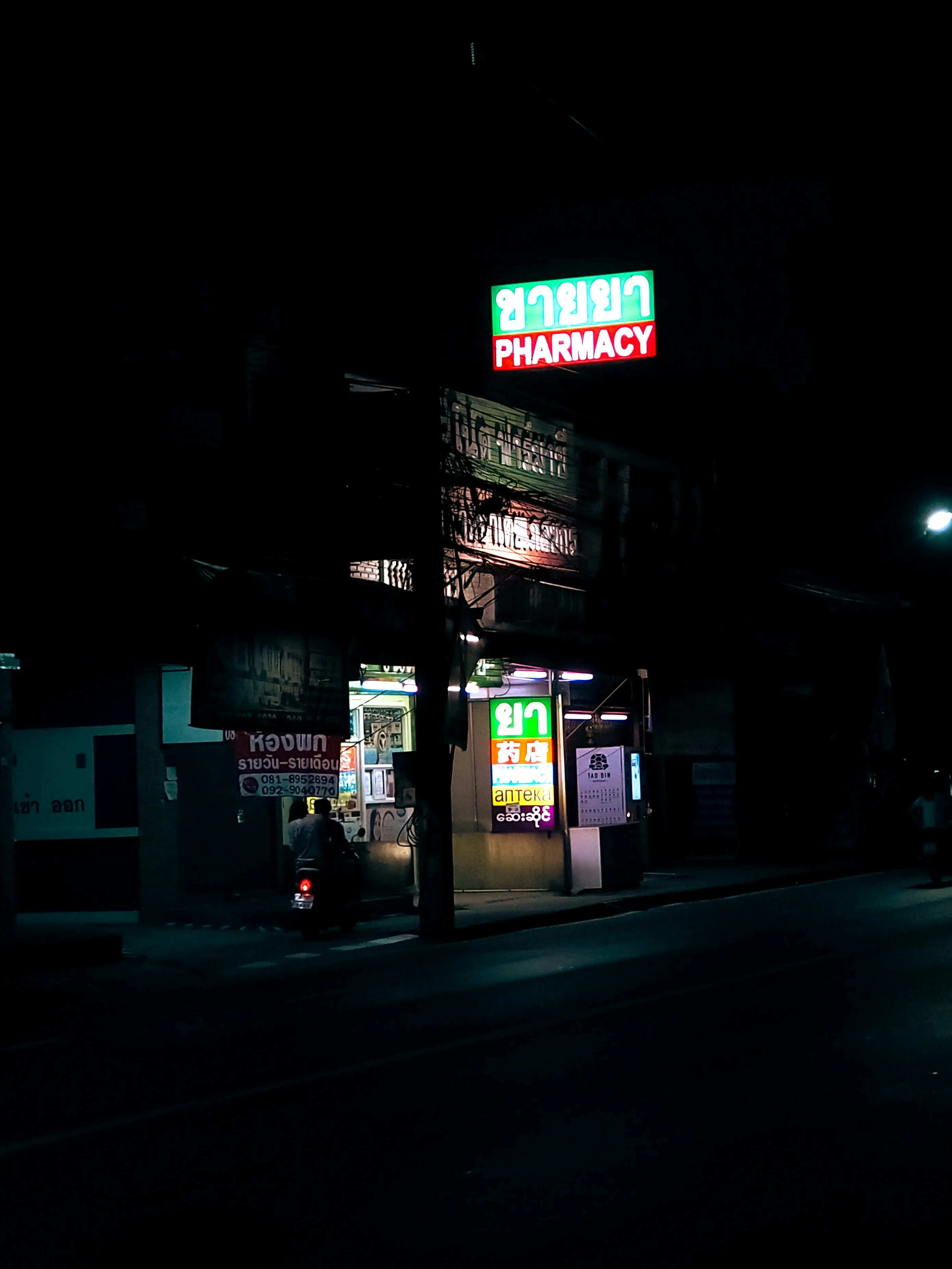
Here's the conversation I overhear at Bangkok dispensaries more than any other:
Tourist: "Can I get a prescription for... I mean, I have trouble sleeping sometimes, is that enough?"
The answer is almost always yes. But the anxiety behind the question tells me something the industry hasn't done a good job of explaining: most tourists have no idea what qualifies, and they're afraid the consultation is going to feel like a test they might fail.
It's not a test. It's a conversation. And the list of qualifying conditions is genuinely broader than most people expect.
Thailand's medical cannabis framework doesn't publish a rigid, closed list of conditions the way some U.S. states do. Instead, the system authorizes licensed practitioners to prescribe cannabis when they determine it's "clinically appropriate" for the patient. That said, there are recognized conditions that practitioners regularly prescribe for. Based on what I've observed across 900+ dispensary visits and conversations with on-site doctors:
Chronic pain is the most common reason tourists receive a PT33. Back pain, joint pain, nerve pain, pain from old injuries, pain that's been managed with over-the-counter medication for years. If you have ongoing pain that affects your daily life, this qualifies.
Insomnia and sleep disorders. If you have trouble falling asleep, staying asleep, or getting restful sleep, this is one of the most straightforward paths to a prescription. It's also one of the most common reasons people try cannabis in the first place - and the science on how your endocannabinoid system regulates sleep supports why it works for many people.
Anxiety and generalized anxiety disorder. This is a legitimate qualifying condition. Worth noting: low-dose cannabis can help anxiety, but higher doses can increase it. A good practitioner will discuss dosing, not just hand you a prescription.
Depression. Recognized as a qualifying condition, though practitioners will typically discuss whether cannabis is being used alongside other treatments rather than as a standalone replacement.
Muscle spasms, cramps, and stiffness. Whether from a specific condition like multiple sclerosis, from athletic activity, or from the general wear of life, muscle-related complaints qualify.
Nausea and vomiting, particularly when related to other treatments like chemotherapy. One of the oldest documented medical uses of cannabis, and one of the most clinically supported.
Cancer-related symptoms. Pain, appetite loss, nausea, and other side effects of cancer treatment. Cannabis doesn't treat cancer, but it can meaningfully improve quality of life during treatment.
Loss of appetite. Whether from a medical condition, medication side effects, or other causes.
PTSD. Post-traumatic stress disorder is recognized, and the research on cannabis and PTSD - particularly around sleep improvement and anxiety reduction - continues to grow.
Epilepsy and seizure disorders. CBD-based treatments for epilepsy (like Epidiolex) have FDA approval in the U.S. Thailand recognizes seizure disorders as a qualifying condition for broader cannabis treatment.
Parkinson's disease symptoms, including tremors, stiffness, and sleep disturbance.
Joint pain and arthritis. Particularly common among older tourists and expats.
Asthma. Perhaps surprising, but certain cannabinoids have bronchodilatory properties. Practitioners will evaluate on a case-by-case basis.
Alzheimer's disease symptoms, particularly agitation and sleep disruption.
Other conditions as deemed appropriate by the licensed practitioner. This catch-all is important - it means the list above isn't a ceiling. If you have a condition that cannabis might help, the practitioner can make that determination.
I've watched hundreds of these happen. Here's what to expect, stripped of the anxiety:
You sit down with the practitioner. They ask what brought you to the consultation - what symptoms you're experiencing, how long you've had them, what you've tried before. They'll ask about current medications, allergies, and medical history. If you have documentation from home - a letter from your doctor, a prescription list, anything - bring it. It's not required, but it speeds up the conversation.
The practitioner isn't trying to catch you in a lie. They're trying to understand whether cannabis is appropriate for your situation and, if so, what type and dose makes sense. This is a medical conversation, not an interrogation. Be honest. If you have anxiety, say "I have anxiety." If you can't sleep, say "I can't sleep." If you have chronic back pain that you've been managing with ibuprofen for ten years, say that.
The whole thing takes 15-30 minutes. If the practitioner approves, you walk out with a PT33 prescription. If they don't - and this is rare for tourists with legitimate reasons - they'll explain why and potentially suggest alternatives.
Here's where I'm going to be more careful than most cannabis blogs, because this matters:
Cannabis is not a cure for any of these conditions. It's a management tool. It can reduce pain, improve sleep, ease anxiety, and restore appetite. But it doesn't fix the underlying cause of chronic pain, it doesn't resolve trauma, and it doesn't treat depression the way therapy and medication can. The best outcomes I've seen - across hundreds of conversations with tourists and regular users - come from people who use cannabis alongside other approaches, not as a replacement for everything.
"Not medical advice" isn't just a disclaimer. I'm someone who has visited 900+ dispensaries, not a doctor. The practitioners who issue PT33 prescriptions are medical professionals making clinical decisions. I can tell you what I've observed. I can share what the research suggests. But your body, your conditions, and your response to cannabis are unique. The endocannabinoid system is different in every person, and what works for someone else might not work the same way for you.
Start low, especially for mental health conditions. If you're using cannabis for anxiety or depression, the dose-response relationship is critical. A small amount can calm you down. Too much can make anxiety worse. A practitioner worth their license will talk to you about this. If they don't bring up dosing, you should.
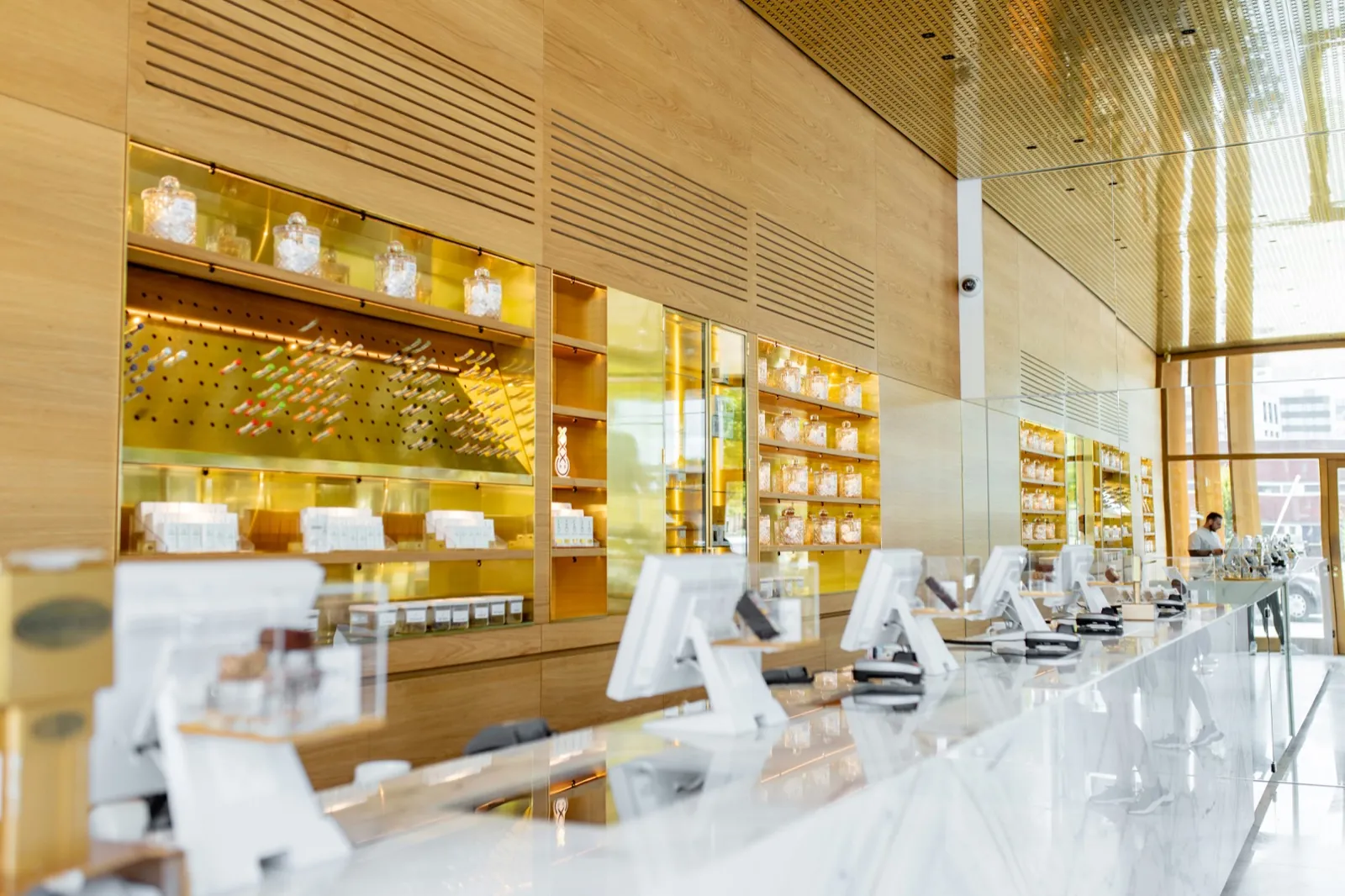
The dispensaries on ThaiCannaMapped's Mindful High list (our wellness-first dispensary picks) are the ones I'd point anyone toward who's coming at cannabis from a wellness or medical angle. These aren't party shops. They're the places with knowledgeable staff, proper consultations, and an approach that treats the plant as something that requires guidance, not just a transaction.
I've been sharing the shops that handle medical consultations well - and the ones that treat the PT33 like a speed bump instead of a medical conversation - on Instagram. The deeper discussions about responsible medical cannabis use happen inside Reefers Club, where practitioners, patients, and industry people have honest conversations about what works and what doesn't.
And it's worth noting that the way medical cannabis is marketed matters enormously in a framework where advertising is banned but patient education is essential. Walking that line is a big part of the marketing and content work I do with Thai cannabis brands: saying what they offer without making claims that cross into territory no responsible business should touch.
If you have a condition that affects your quality of life - pain, sleep, anxiety, appetite, mood - there's a good chance it qualifies for a PT33 prescription in Thailand. The consultation is brief, affordable, and genuinely less stressful than most people expect.
The harder question isn't "do I qualify." It's "is cannabis the right tool for what I'm dealing with, and how do I use it responsibly?" That's a question worth having with a real practitioner, in a real shop, with a real conversation. Not with a budtender who's trying to sell you the most expensive gram on the shelf.
Written by someone who has watched hundreds of these consultations and still thinks the conversation is the most valuable part of the process.
This article is for informational purposes only and does not constitute medical advice. Always consult with qualified healthcare professionals about your specific conditions and treatment options. Cannabis affects everyone differently and may interact with other medications. Adults 20+ only.