Cannabis Basics
Honest notes from 900+ dispensary visits. Zero sponsored posts.
Get the lists
The story always goes the same way. Someone eats a gummy at eight. By nine they feel nothing, decide it was weak, and eat another. At ten fifteen both arrive at once, and the evening becomes a long, sweaty negotiation with the ceiling fan.
So, how long do edibles take to kick in? Usually somewhere between 30 minutes and two hours, according to Canada's Centre on Substance Use and Addiction. The full effect can take up to four hours to peak, and it can last up to 12 hours, with some residual effects up to 24. That gap between eating and feeling is the whole reason people double dose.
There is a Thailand twist too. THC edibles made from cannabis extract above 0.2% THC are classed as category 5 narcotics here. Most of the THC gummies and brownies you might be offered are illegal. This post explains the science so you understand what you are dealing with, and why the answer in Thailand is usually flower or CBD instead.
Based on public health guidance and controlled studies:
Onset: about 30 minutes to 2 hours. Health Canada says it can take up to two hours to begin feeling the effects.
Peak: usually around 1.5 to 4 hours. In a controlled US study of cannabis brownies, subjective effects peaked 1.5 to 3 hours after eating. Public health guidance uses four hours as the cautious upper end.
Duration: effects in that study lasted around 6 to 8 hours. Public health agencies warn they can last up to 12, with lingering effects up to 24.
Compare that with smoking, where you feel it within minutes and it fades within a few hours. Same plant, completely different timetable.
When you smoke, THC goes from your lungs into your blood and reaches your brain fast.
When you eat it, THC takes the long way. It has to be digested, absorbed through the gut, and then pass through the liver before it reaches the rest of your body. Pharmacologists call this the first pass. The liver breaks down a large share of the THC, but it also converts some of it into a compound called 11-hydroxy-THC, which is itself psychoactive. In the brownie study, blood levels of THC and 11-hydroxy-THC peaked 1.5 to 2 hours after eating and typically returned to baseline within 8 hours.
That is why edibles feel different, not just slower. Many people describe the high as heavier and more body focused. Canada's substance use agency puts it simply: the liver turns THC into a stronger form, which adds to the intensity.
There is no single number because bodies are not identical. The main factors:
Food in your stomach. A controlled study of THC capsules found that taking them after a high fat meal delayed onset but raised overall THC and 11-hydroxy-THC levels. So a big dinner can mean a slower start and a stronger finish. That is a trap if you are judging by the clock.
Your metabolism and body. Both controlled studies found women reached higher peak THC levels than men at the same dose, and the brownie study linked this at least partly to lower body weight. Liver enzymes vary between people, which is why your friend feels it at 40 minutes and you feel it at 90.
Dose and potency. Unregulated products are often labelled badly, if at all. You cannot know what is in a gummy that has no lab report.
Tolerance. Regular smokers are not immune. Smoking tolerance does not fully translate to eating.
Alcohol. Mixing makes everything harder to judge. Canada's substance use agency advises using one or the other, not both. I cover the research in weed and alcohol.
Three things line up on holiday.
Impatience. Thirty minutes of nothing feels like proof of a dud. It is not.
Unknown products. At home you might know a brand. In Thailand, an unlabelled brownie from a beach bar tells you nothing.
The holiday mood. Heat, travel tiredness, a couple of beers, no early meeting tomorrow. People take risks they would never take at home.
The numbers show what happens next. A study of emergency visits at a large Colorado hospital, published in the Annals of Internal Medicine, found that edibles made up only 0.32% of cannabis sales by THC weight between 2014 and 2016, yet 10.7% of the emergency visits attributed to cannabis over the same period. Edible visits were more likely to involve acute psychiatric symptoms, intoxication and heart symptoms than visits linked to smoking.
The cause is rarely one gummy. It is the second and third, taken before the first one arrived.
This is the one rule every public health agency agrees on, and the one people ignore most. Health Canada says "start low and go slow", and Canada's substance use agency tells you to be patient and go slow. Begin with a very small amount and give it time.
In practice, start low go slow means:
Wait the full window. Do not take more for at least two hours. Ideally, do not take more that day.
Plan your evening around it. Be somewhere safe and private, with nowhere to drive and nobody to impress.
Do not stack. No alcohol, no extra smoking on top while you wait.
Know the exit. If it goes wrong, the effects fade. It may take hours. A cool room, water, someone with you, lying on your side if you feel sick. Colorado's public health department lists severe nausea and vomiting, a fast heart rate, panic and paranoia among the signs of too much THC. Chest pain, fainting or confusion that does not lift means call 1669, Thailand's emergency medical number. My guide to what happens if you smoke too much weed covers what helps.
This is where Thailand is different from Colorado or Canada.
Cannabis flower is a controlled herb. You can buy it from a licensed shop with a PT33 prescription from a Thai licensed practitioner. Extracts are another matter. Under the ministerial regulation that took effect in late April 2026, extracts containing more than 0.2% THC by weight are category 5 narcotics, permitted only for narrow purposes such as medical use and research. A THC gummy or chocolate is, by definition, made with an extract. That puts most THC edibles on sale to tourists outside the law.
What that means for you:
Do not buy THC edibles. Not from a beach bar, not from a website, not from a "friend of the hotel". There is no quality control, no honest label and real legal exposure.
CBD edibles under 0.2% THC are legal. They sit outside the prescription system. They will not get you high, and the CBD guide covers what they are actually good for.
Flower is the legal route. If you want THC, the legal path is flower from a licensed shop with a prescription, consumed in private. Check any shop on the ThaiCannaMapped Dispensary Register first.
Never pack any of it to fly home. That applies to flower, edibles and anything in between. Read Do NOT take weed home from Thailand before you pack.
I go deeper on how the formats compare, including legal status, in edibles vs flower vs vapes. The headline: flower is the format the Thai system is built around, and vapes are a double problem because Thailand bans e cigarette devices outright.
People search "how long do edibles take to kick in reddit" because they want lived experience, not a textbook. Fair enough. The forum consensus usually lands on "an hour, maybe two, wait longer than you think". That matches the research.
Where threads go wrong is the folk hacks. Lemon juice, chewing longer, eating on an empty stomach to "make it hit faster". The evidence on most of these is weak or missing. The one thing that is well documented is the food effect, and it shows the opposite of what people hope: a meal can delay the start and increase the total. Faster is not the goal anyway. Predictable is.
How long do edibles take to kick in? Usually 30 minutes to 2 hours. It varies with food, metabolism, dose and tolerance.
How long does an edible high last? Often 6 to 8 hours, and up to 12 hours according to public health agencies, with some residual effects up to 24 hours.
Why do edibles feel stronger than smoking? Your liver converts some THC into 11-hydroxy-THC, which is also psychoactive, and the slow absorption stretches the effects out.
Should I take more if I feel nothing after an hour? No. Wait at least two hours, and ideally do not redose that day. Double dosing is the most common way people end up in trouble.
Are edibles legal in Thailand? CBD edibles under 0.2% THC are legal. Edibles made from extracts above 0.2% THC are category 5 narcotics, so most THC edibles are illegal.
Edibles are slow, strong and long. The delay is chemistry, not a weak gummy. In Thailand the simplest move is to skip THC edibles altogether, because most are illegal, and stick to legal flower from a licensed shop or CBD products if you want something gentle. If you are looking for shops that lean toward wellness and CBD, The Mindful High is one of the free lists on the curated list page.
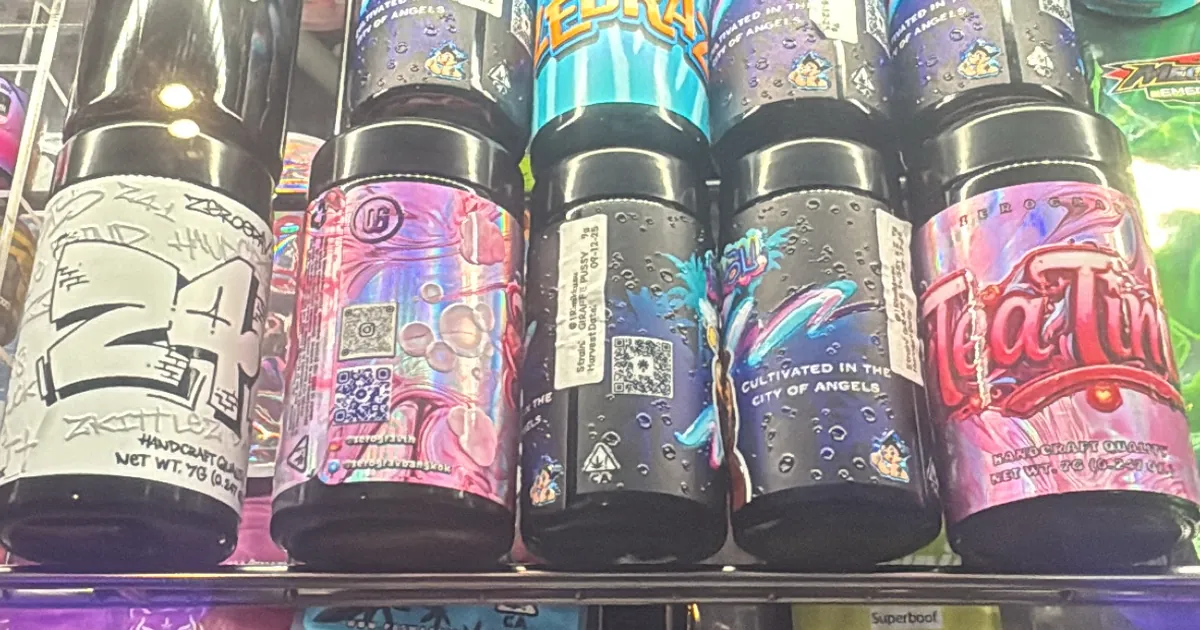
I post what I see on Thai shelves, including the products that should not be there, on Instagram. The industry conversations about product safety happen inside Reefers Club, an invite only community of people working in Thai cannabis. And helping licensed shops educate customers clearly, without breaking the advertising ban, is the marketing and content work I do.
Written by someone who has watched more than one friend eat a second brownie at the 45 minute mark, and has stopped saying "I told you so" out loud.
This article is for general information and harm reduction only and is not medical or legal advice. THC edibles made from extracts above 0.2% THC are illegal in Thailand. Adults 20+ only.