Cannabis Business
Honest notes from 900+ dispensary visits. Zero sponsored posts.
Get the lists
Every dispensary owner I talk to in Bangkok has the same Monday morning problem. Instagram is open, the content calendar is empty, and the one thing the shop actually sells is the one thing nobody is allowed to advertise.
So someone posts a jar. Then deletes it, because a friend mentioned the ad ban. Then the account goes quiet for three weeks.
Here is the short answer. The best dispensary marketing ideas in Thailand are not about product at all. They are about education, culture, your neighbourhood, your people and visible proof that you run a legitimate shop. Below are 27 of them, each with a line on why it works. I have seen versions of every one of these work across 900+ dispensary visits, and I used most of them myself when I ran a licensed shop.
Thailand banned all commercial cannabis advertising in June 2025, on every platform. Advertising breaches are one of the offences that can earn a shop a 30 day licence suspension. So every post goes through one filter:
Does this post sell cannabis, or does it teach, show or build trust? If it sells (products for sale, prices, deals, "come and buy", menus, discounts, delivery, "DM to order"), do not post it. If it teaches something, shows who you are or proves you are legitimate, you are on much safer ground.
There are still grey zones, and I flag them as we go. If a post makes you hesitate, that hesitation is usually right. For the bigger strategy behind this, read dispensary marketing in Thailand and why the ad ban made marketing mandatory.
Education is the backbone of dispensary content. It is useful, it gets saved and shared, and it never asks anyone to buy anything.
1. Explain the PT33 in sixty seconds. Most tourists walk in not knowing they need a prescription. Why it works: the shop that explains it calmly becomes the shop they trust. Point them to a full PT33 guide.
2. Read the licence sticker on camera. Show what the colour means and where the eight digit code sits, then tell people to check any shop on the ThaiCannaMapped Dispensary Register. Why it works: you prove you are licensed while teaching a skill that quietly disqualifies unlicensed competitors. More on reading the sticker.
3. One myth a week. Pick a myth your team hears at the counter and answer it in plain language. Why it works: it is endlessly repeatable and positions your staff as the people who know. Plenty of starting points in cannabis myths debunked.
4. What indica, sativa and hybrid labels really mean. Why it works: every visitor asks, and very few shops answer honestly. Use this explainer as your reference.
5. Terpenes without the jargon. Talk about the same aromas in mango, pine, black pepper and lemongrass. Why it works: sensory content is fun to watch and keeps the focus on knowledge. Grey zone: keep it general and do not tie it to a named product on your shelf.
6. Where you can and cannot consume. Why it works: it is the question every customer has after the counter, and answering it shows you care what happens to them. The rules are in where you can actually smoke in Bangkok.
7. Do not take it home. A clear, friendly reminder before people fly out. Why it works: protective content is the most shared content in this category. Link people to why you should never take weed home.
8. Start low, go slow. Why it works: harm reduction builds trust with first timers and with the nervous friend who came along. What happens if you smoke too much covers the basics.
9. The real story of the Thai stick. Why it works: Thailand's cannabis heritage is world famous, and almost no shop tells it. Start with what a Thai stick actually is.
10. Thailand's native landraces. Why it works: local pride travels, and Thai customers share it. Background in Thai landrace strains.
11. Cannabis in Thai traditional medicine. Why it works: the current law sits under traditional medicine, so telling that story is both true and well aligned with how regulators see you.
12. How the law changed, as a timeline. From delisting in 2022 to the rules today. Why it works: people are confused, and a clear timeline gets saved. Borrow from how cannabis got banned and why Thailand unbanned it.
13. Your street's best food stall. Why it works: tourists love a local tip, and vendors often reshare.
14. A walking route from the nearest BTS or MRT. Why it works: it answers "how do I find you" without being an ad. Tourists think in stations, as I explain in the BTS rule.
15. A rainy season guide to your area. Covered walkways, dry cafes, where taxis stop. Why it works: practical, seasonal and genuinely helpful.
16. Neighbour spotlights. The cafe next door, the tailor, the massage shop. Why it works: cross sharing with neighbours widens your reach for free. Keep it about them, never about cannabis on their behalf.
17. Meet your DTAM trained staff. The April 2026 regulation requires at least one DTAM trained staff member on every shift. Why it works: it shows compliance and puts a human face on the shop at the same time.
18. A day behind the counter. Opening up, cleaning, checking IDs, the tea break. Why it works: people buy from people, and faces beat jars every time.
19. Staff answer one customer question. Same format every week. Why it works: it is quick to film and builds a library of answers you can reuse on your website.
20. Your founder story. Why you opened, what you got wrong, what you learned. Why it works: every shop sells flower; only you have your story.
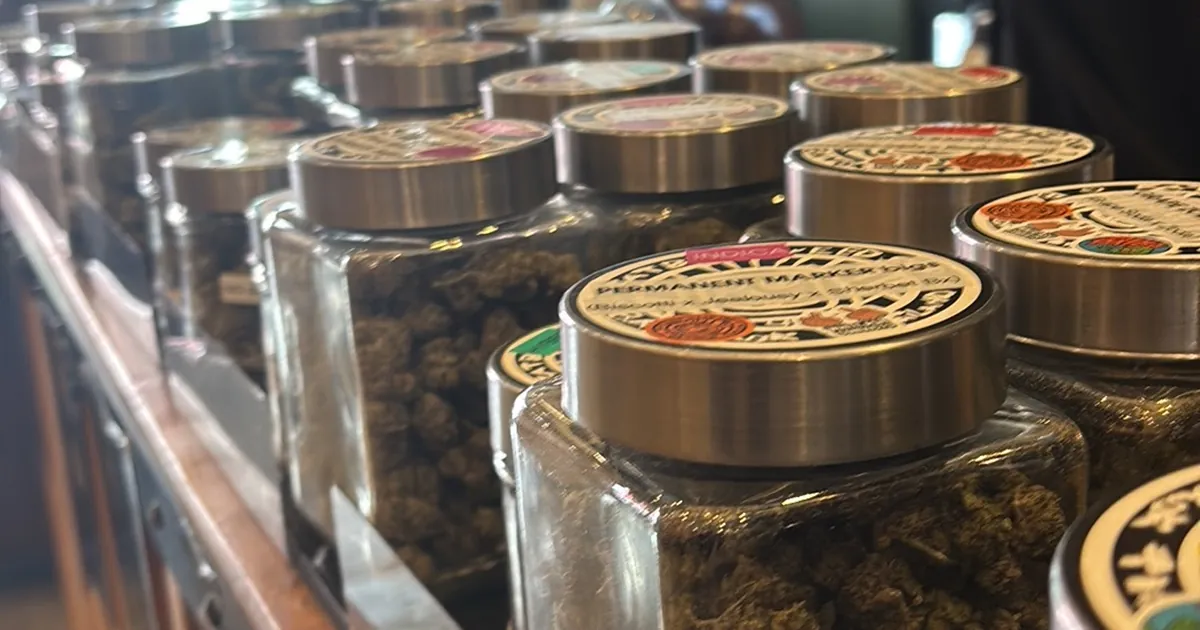
21. How you store and handle stock. Separated storage off the floor and odour control are now required. Why it works: it signals professionalism. Grey zone: show the systems, not jars arranged as a display.
22. What happens at your counter. ID check, prescription, a real conversation. Why it works: it removes the anxiety that keeps first timers walking past.
23. Turn repeated review questions into posts. If three reviewers asked about parking, answer it once properly. Why it works: it shows you listen and fills your calendar with topics customers already care about.
24. Stories of saying no. Why you turn away under 20s or anyone without a prescription. Why it works: it is counterintuitive, and nothing builds credibility faster.
25. Host a talk, not a party. A Thai traditional medicine practitioner on sleep, or a session on what the new rules mean. Why it works: it brings people through the door for knowledge. Keep it free of consumption and any sales message.
26. Clean up your soi. Why it works: being a visible good neighbour matters in an industry that still has to win local goodwill.
27. Commission a local artist for your wall. Why it works: art gets photographed, tagged and talked about long after the paint dries.
Twenty seven ideas is two months of content if you post three times a week. A simple rhythm that I have seen hold up:
Monday: one education post. Wednesday: one people or neighbourhood post. Friday: one trust post.
Film in batches. One afternoon with a staff member can produce a month of short answers. Then repurpose: the best education posts become articles on your website, and practical ones (hours, directions, a new talk) become updates on your Google profile. Google's own content policy says business posts must comply with all applicable laws, so the same no selling rule applies there too.
This is the thinking behind content as the only ad you are allowed, and it is also the cheapest way to start dispensary SEO.
Product glamour shots with prices or "new arrival" captions. That is advertising, however pretty it is.
Deals, discounts, giveaways and "first visit" offers. Promotion of sales is exactly what the ban targets.
Menus and "DM to order". Online sales are banned outright.
Anyone smoking inside your shop. Allowing smoking on site can cost you the licence, and a video of it is evidence.
Paid or gifted influencer posts about your products, or any creator content you did not check. Paid promotion of cannabis is advertising, and if a creator films your counter, you share the risk.
And do not put all of this on one platform. Cannabis accounts get restricted and removed without much warning, as I cover in what to do if Instagram disables your account and why not to build on Instagram alone. Post the same knowledge where you own it.
You cannot post product. You can post everything that makes someone trust you before they ever walk in. That is the better trade anyway, because a customer who trusts you comes back, and a customer who saw a discount goes wherever the next discount is.
I share what I see working across Thai dispensaries on Instagram, and the honest conversations about what is safe to post happen inside Reefers Club, an invite only community of people working in Thai cannabis. If you would rather hand the calendar to someone who knows the line, that is the marketing and content work I do, and if the website or Google profile comes first, that is Grow on Google.
Written by someone who has stared at an empty content calendar in a licensed shop and filled it without posting a single jar.
This article is for informational purposes only and does not constitute legal advice. All cannabis marketing in Thailand must comply with Thai law, including the ban on cannabis advertising. Check anything you are unsure about with a Thai lawyer.